Recover with purpose, perform with power

Shoes and Plantar Fasciitis: Walking Without Pain
Have you ever felt like you were walking on glass? We might have the solution…
10/2/20251 min read
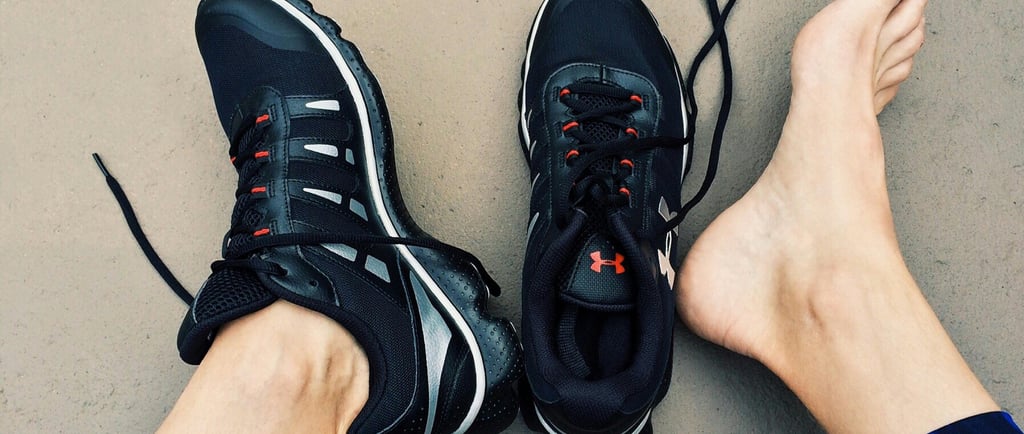
If your first steps out of bed feel like walking on broken glass, plantar fasciitis may be the culprit. This painful condition happens when the thick band of tissue under your foot, the plantar fascia, becomes inflamed. The good news is that the right shoes for plantar fasciitis can make a huge difference.
The plantar fascia supports your arch and absorbs shock. But poor footwear, sudden increases in activity, or tight calf muscles can overstress it. Heel pain is the classic symptom. While stretches and physical therapy help, choosing supportive shoes is one of the most effective ways to prevent flare-ups.
So what should you look for? Shoes with firm arch support and a stable midfoot prevent over-flattening. A deep heel cup and good cushioning absorb impact and cradle the heel. Some of the best shoes for plantar fasciitis 2025 also feature a rocker sole or flexible forefoot, which smooths out your stride and reduces strain on the fascia.
If your current shoes are flat or worn out, adding orthotic inserts for heel pain relief is another option. These insoles are designed to provide extra support where you need it most. It’s also worth replacing your shoes regularly—when cushioning wears down, your plantar fascia feels every step.
Sandals deserve a mention too. Many people with heel pain switch into flimsy flip-flops at home, which undoes all the benefits of supportive shoes. Luckily, there are now supportive stretch sandals for heel pain that look good and feel even better.
Breaking in new footwear gradually is important. Don’t switch overnight to super-supportive shoes if you’ve been barefoot or in minimal footwear for years. Give your feet time to adapt. Pairing shoes with daily calf stretches and foot mobility work can maximise results.
Services
Advice and reccomendations
KEEP UP TO DATE
Contact us
team@athletiqhealth.co.uk
+44 7864548579
© 2025. All rights reserved.
Sports and Deep Tissue Massage
Event Massage
Recovery and rehabilitation plans
+44 7784 734507
Find