Recover with purpose, perform with power

Hydration and Exercise: Don’t Let Your Body Thirst
10/2/20251 min read
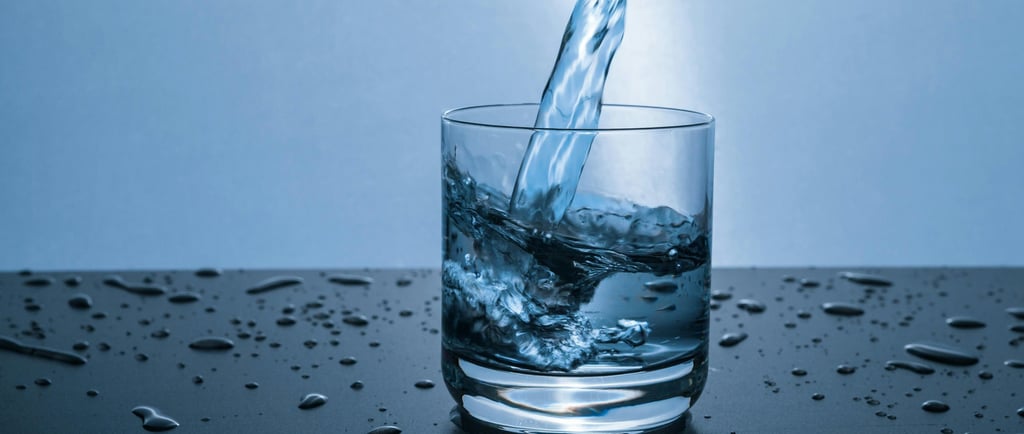
You’ve probably heard the advice to “drink more water,” but when it comes to exercise, hydration strategy is everything. Even mild dehydration, just losing about two percent of body weight in sweat can affect performance, increase fatigue, and raise your risk of injury.
So how much water should you drink while working out? Guidelines suggest having 500 - 600ml of water two to three hours before exercise, followed by another eight ounces about 20 minutes before. During exercise, aim for 150 to 250 ml every 15 to 20 minutes. Afterward, for every pound you’ve lost, drink about three cups of fluid to rehydrate. These numbers may vary depending on how much you sweat and how hot it is, but they’re a solid starting point.
Electrolytes matter as well. If your workout lasts longer than an hour, or if you’re training in the heat, replacing sodium and potassium is essential. This is where a sports drink can be helpful. It’s not about chugging as much liquid as possible, overhydration can actually dilute sodium in the blood and lead to hyponatremia. Instead, aim for a balanced hydration plan for runners, cyclists, or anyone doing long workouts.
One simple trick is to use a marked water bottle. Seeing progress through the day helps you keep track. Another is to pay attention to your body. Thirst is a signal, but in hot conditions, don’t rely on it alone. Hydrating foods like watermelon, cucumber, or even broth-based soups can also contribute to your fluid intake.
If you’re wondering about electrolyte vs water in sports, the answer depends on duration and intensity. A 30-minute jog? Water is fine. A two-hour hike in summer heat? Electrolytes are your friend.
Services
Advice and reccomendations
KEEP UP TO DATE
Contact us
team@athletiqhealth.co.uk
+44 7864548579
© 2025. All rights reserved.
Sports and Deep Tissue Massage
Event Massage
Recovery and rehabilitation plans
+44 7784 734507
Find